Students and local craftspeople demonstrate how creativity, skills and repair can help preserve resources through five activities
Novi Pazar, 10 November 2026 – Old clothes were transformed into fashion items and accessories, small electronic devices were given a chance to be repaired, and leftover food was used to prepare new dishes. Alongside bicycle servicing and shoe repairs in the Old Bazaar, students and residents of Novi Pazar spent two days discovering practical ways to waste less and make better use of the things they already own. The workshops were held as part of the Worth Making Last campaign, implemented by the EU for Circular Economy in Serbia project.
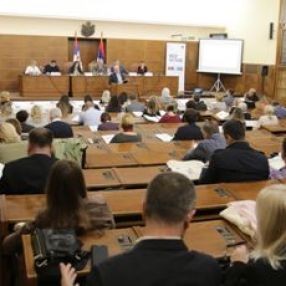
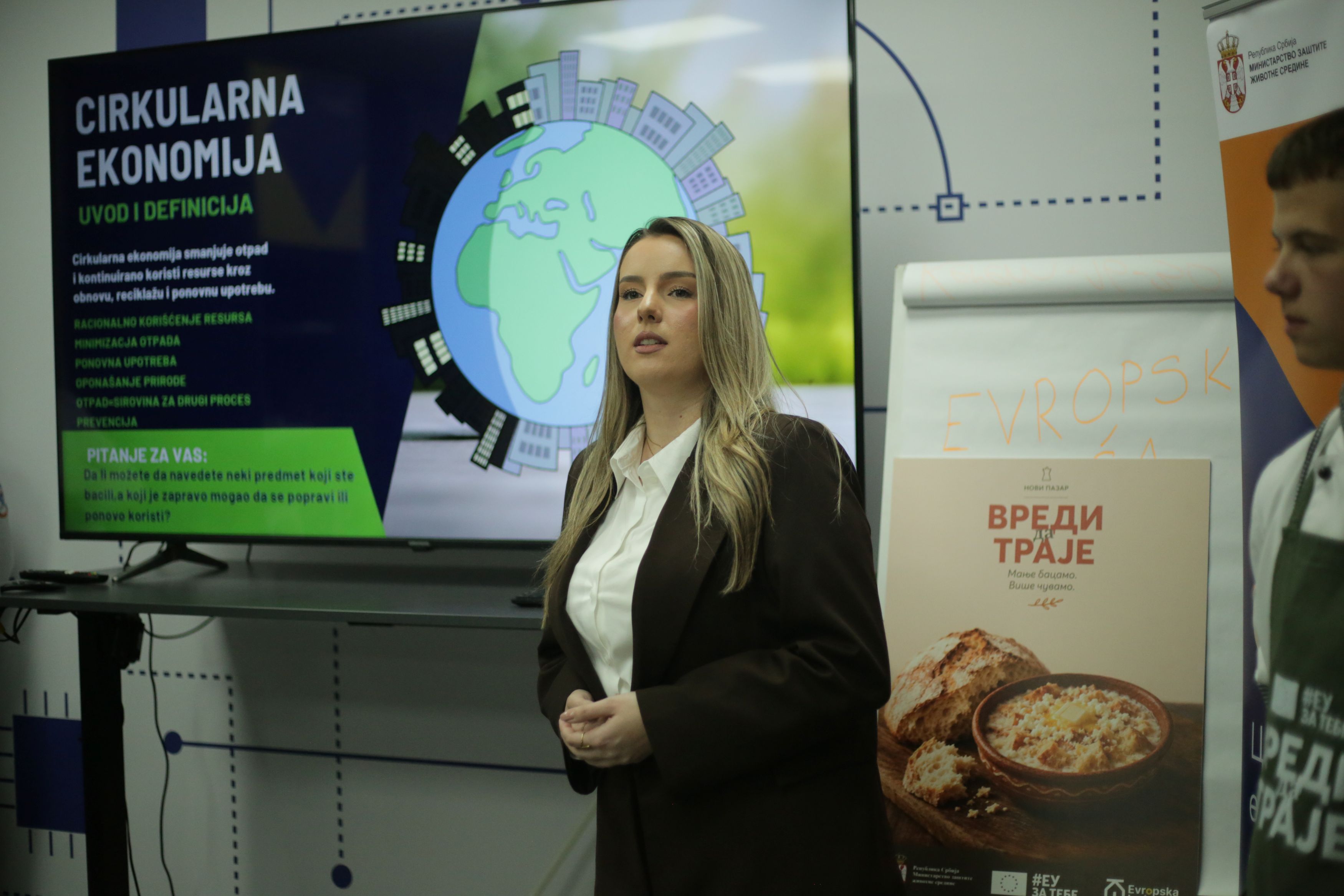
“Circular economy and climate change have become particularly prominent issues in recent times, as there is a need to take action in these areas. Today's workshop is one such activity and represents a foundation for the development of the circular economy. If we raise awareness, particularly among young people, but also among all citizens, and encourage lifestyles in line with circular economy principles, we can prevent and address many problems from the outset,” said Malića Plojović, Head of the Municipal Affairs Department at the Novi Pazar City Administration.
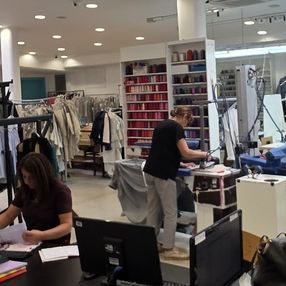
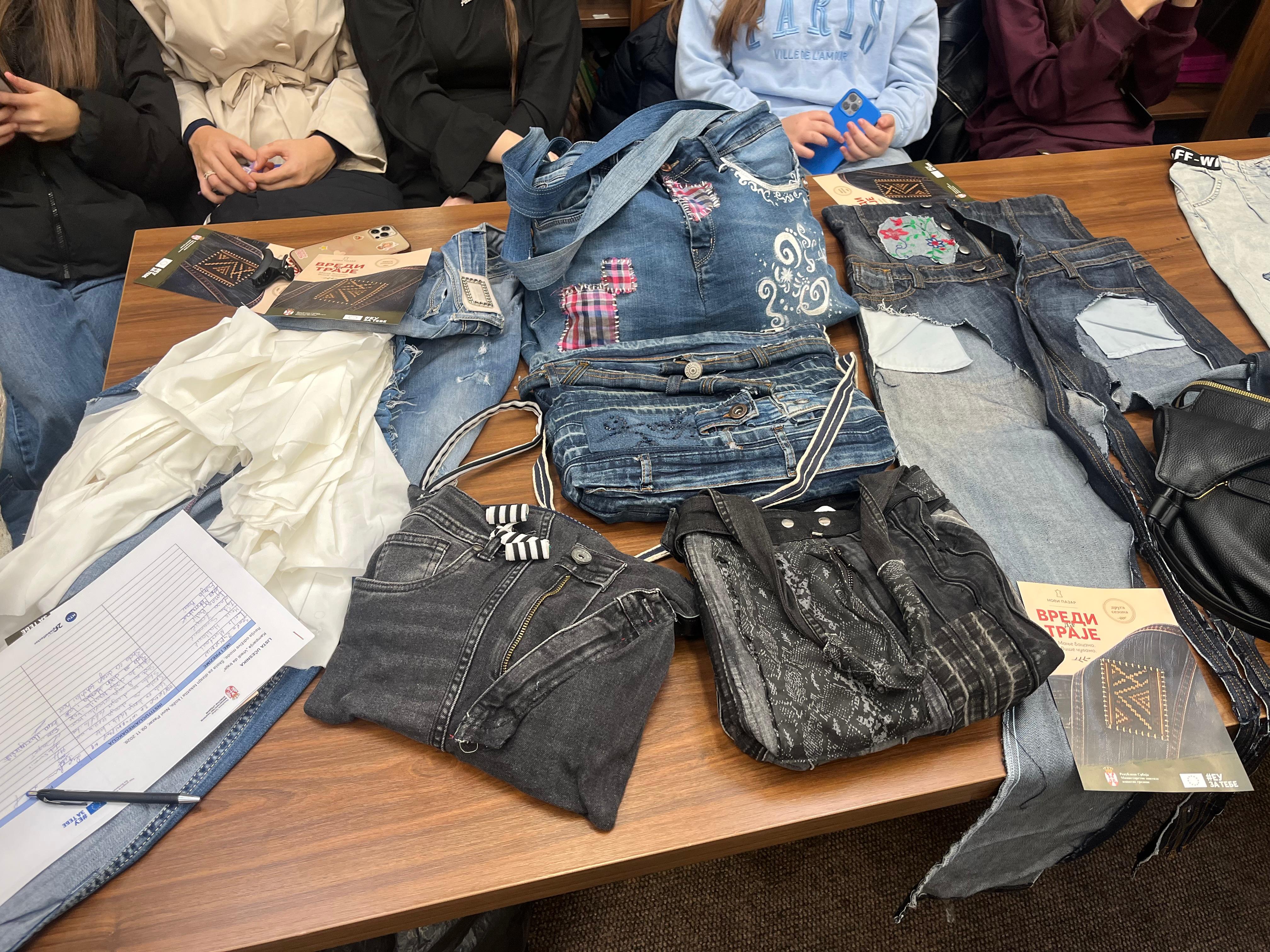
The programme began on 9 November with a sustainable fashion show at the School of Textile and Leather Design. Around ten students presented clothing and accessories made from old garments and waste materials. Materials that had outlived their original purpose became the starting point for the students' creations, bringing together design and a more thoughtful approach to textile use.
At the “Izudin Šušević” Technical School, students took part in a workshop on the circular economy and the repair of small electronic devices. Through hands-on activities, they explored ways of repairing or adapting devices so that they could remain in use for longer.
“Preventing waste starts with the way we use things and treat our resources. Repair and reuse not only help reduce waste but also preserve practical skills and pass knowledge on to younger generations. The Ministry of Environmental Protection pays particular attention to raising awareness of the importance of the circular economy and making its principles more accessible to citizens, especially young people. Through education and practical activities, we want to demonstrate that more sustainable habits can become part of our everyday lives,” said Aleksandra Vučinić, Head of the Circular Economy and Sustainable Development Department at the Ministry of Environmental Protection.
Students from the Novi Pazar School of Hospitality and Tourism demonstrated how food can be put to better use by preparing dishes from leftover ingredients at Europe House. The Zero-Waste Kitchen workshop and cooking challenge explored everyday kitchen habits and showed how a little knowledge and imagination can help reduce the amount of food that ends up as waste.
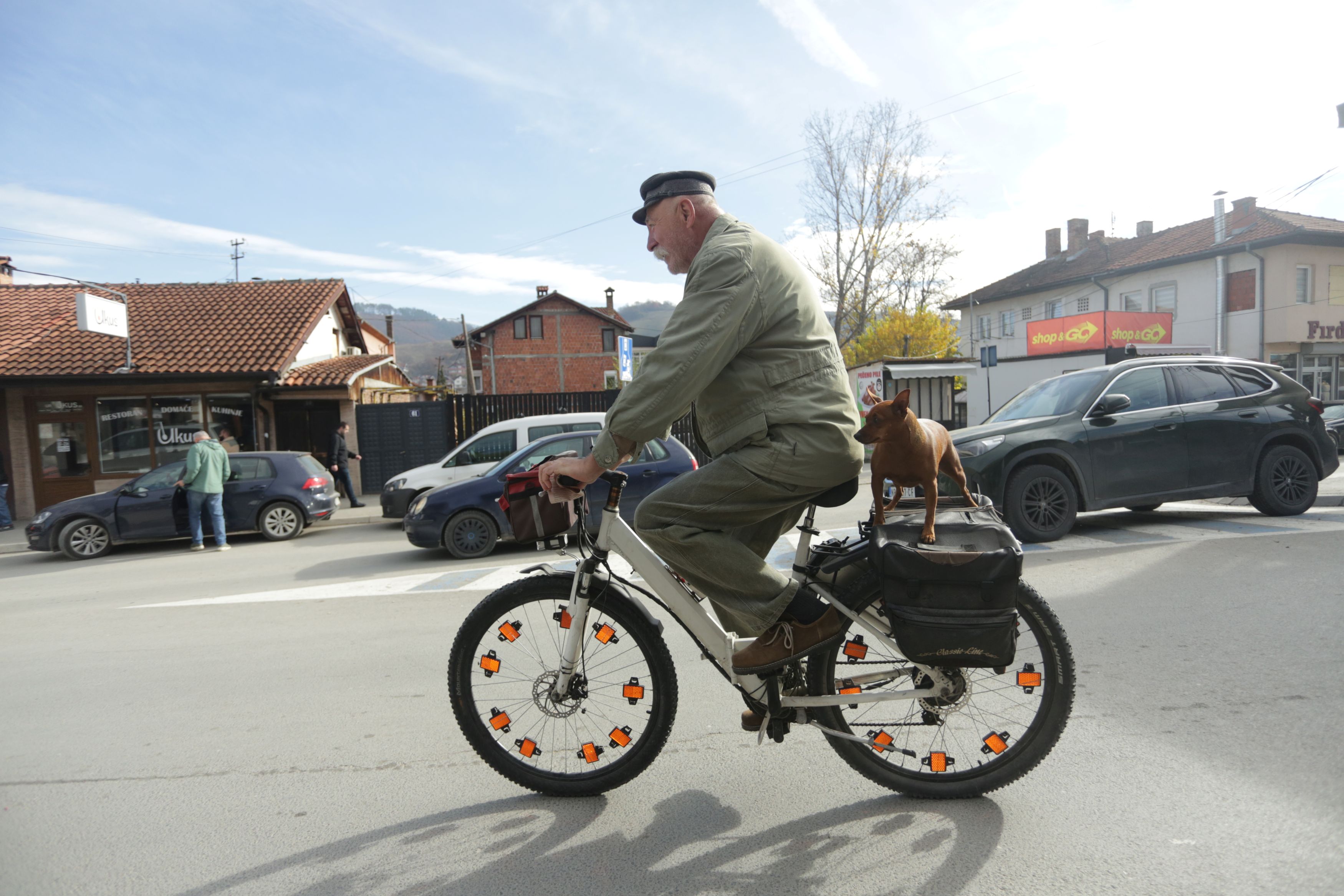
On the second day of the programme, 10 November, traditional craft skills took centre stage in the Old Bazaar. Residents could bring their bicycles for free inspections and minor repairs, while a local shoemaker offered shoe inspections, minor repairs and adjustments. These activities demonstrated how much local crafts can contribute to extending the useful life of everyday items.
“Through these activities we see how EU support can help turn the circular economy into practical change for local communities. By working with young people, craftspeople and local businesses, we are helping preserve valuable resources, strengthening traditional skills and keep materials in use for as long as possible. This brings real benefits, from reducing waste, creating new business opportunities and protecting the environment,” said Mauro Di Veroli, Head of Cooperation at the Delegation of the European Union to Serbia.
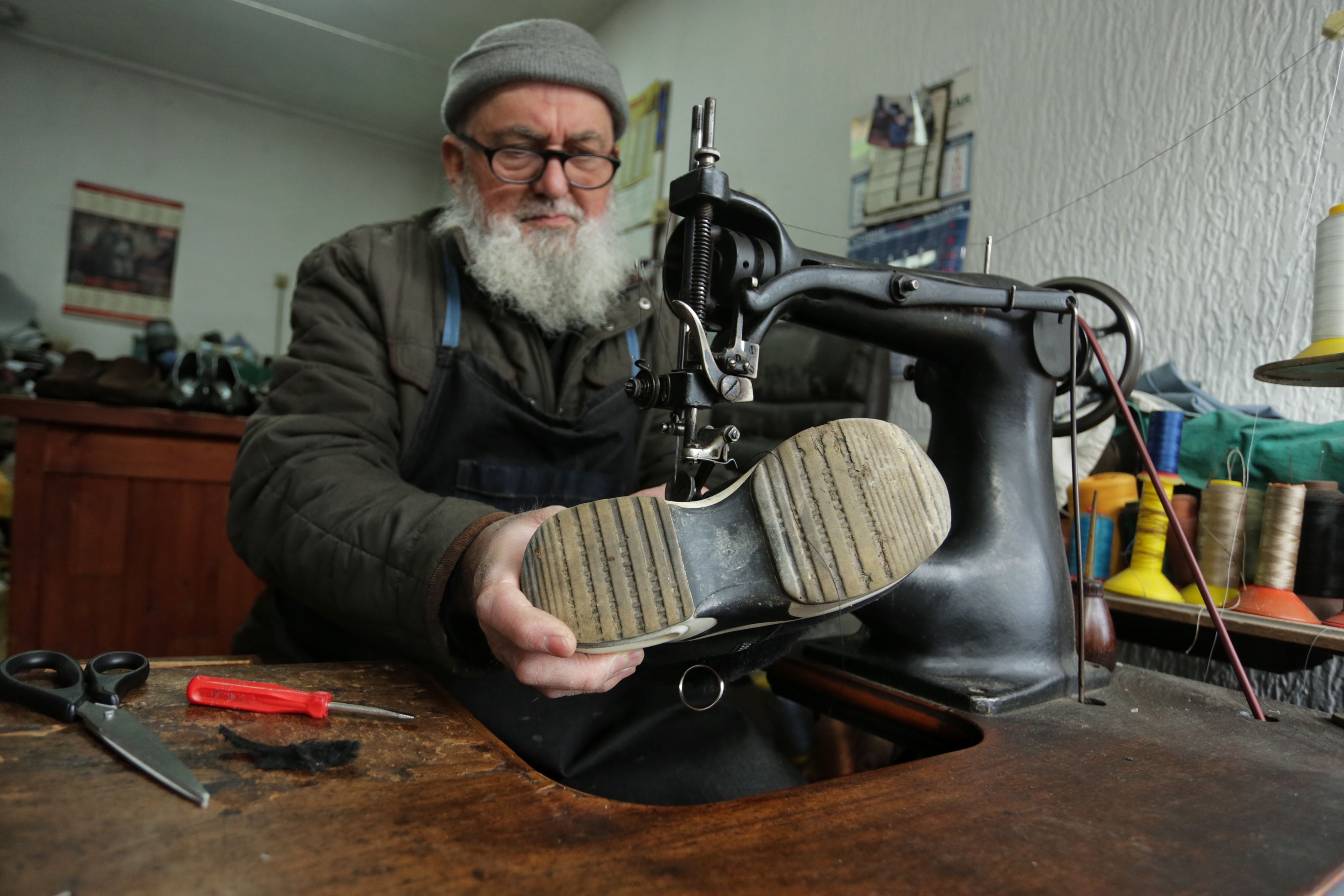
In Novi Pazar, a city renowned for its textile industry and craftsmanship, the programme brought together students' creativity and the experience of skilled craftspeople. From the fashion catwalk to the shoemaker's workshop, the message was clear: the value of materials and objects does not disappear when they become worn, break down or go out of fashion. Repair and reuse help conserve resources, reduce waste and pass on skills worth preserving.
The EU for Circular Economy in Serbia project is implemented by the Ministry of Environmental Protection with the aim of supporting Serbia's transition towards a circular economy through practical solutions that encourage more responsible resource use, waste reduction and the development of sustainable local communities. The project is funded by the European Union.
Photos: Irfan Ličina / EU for Circular Economy in Serbia